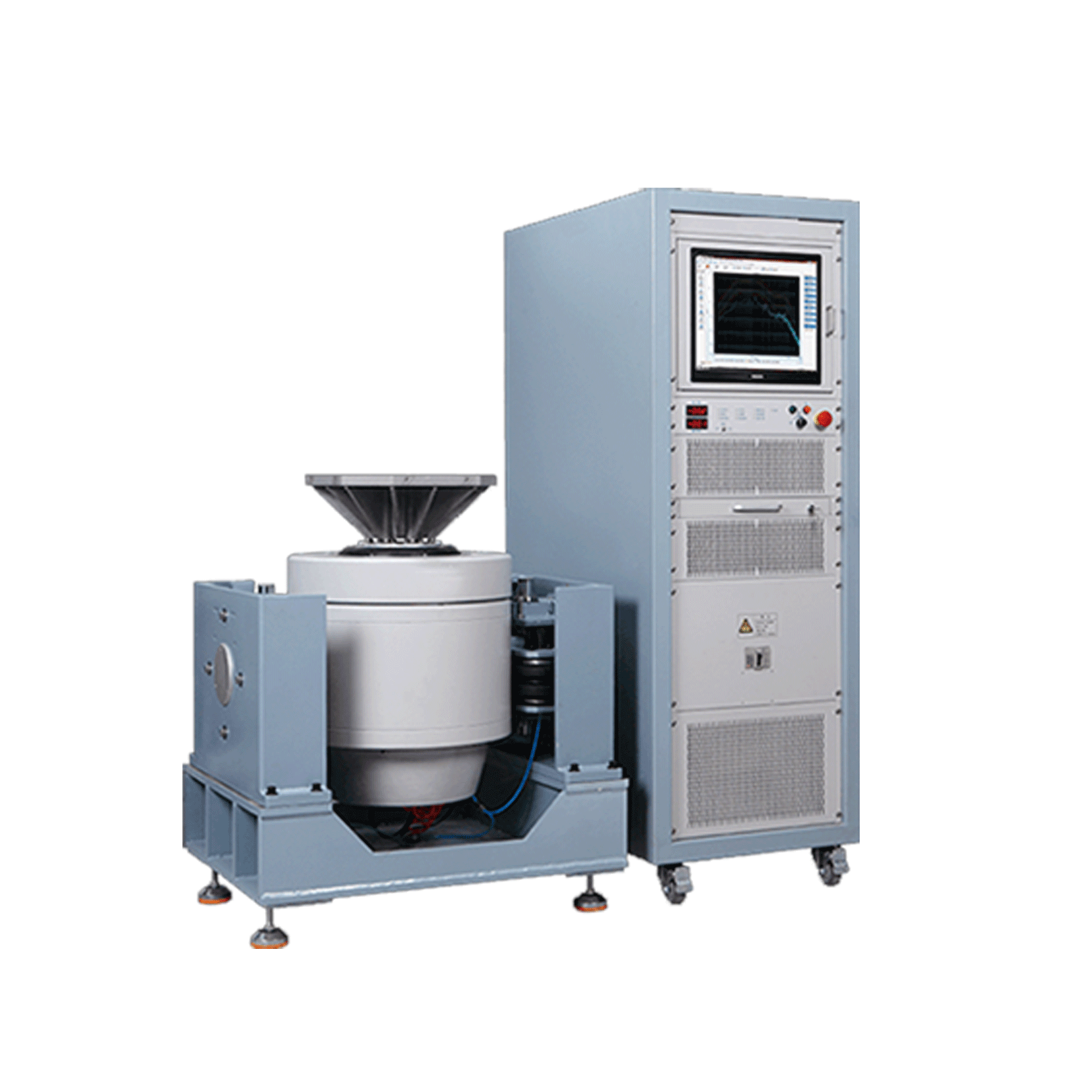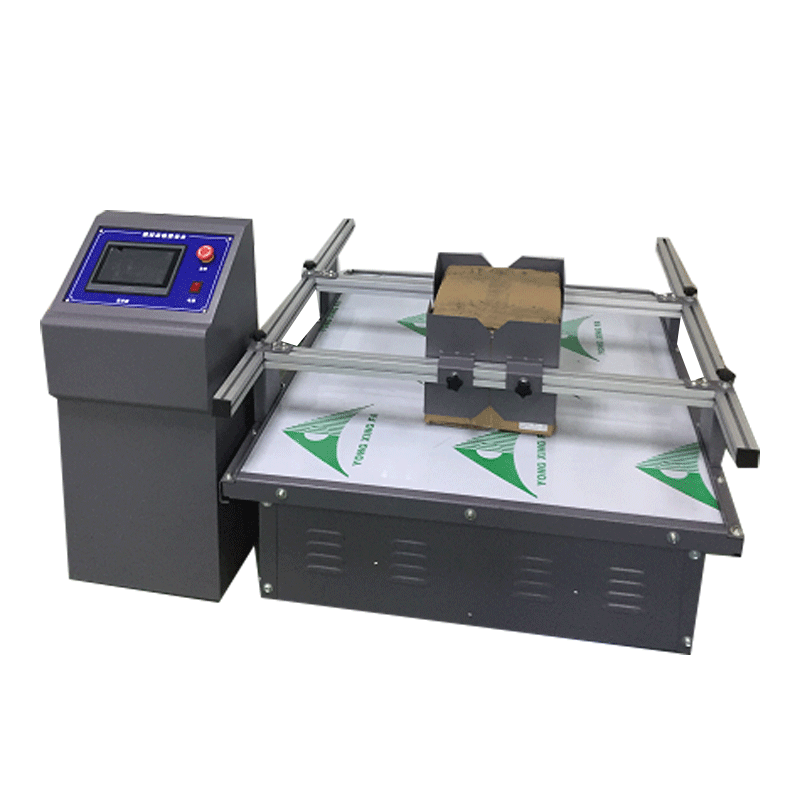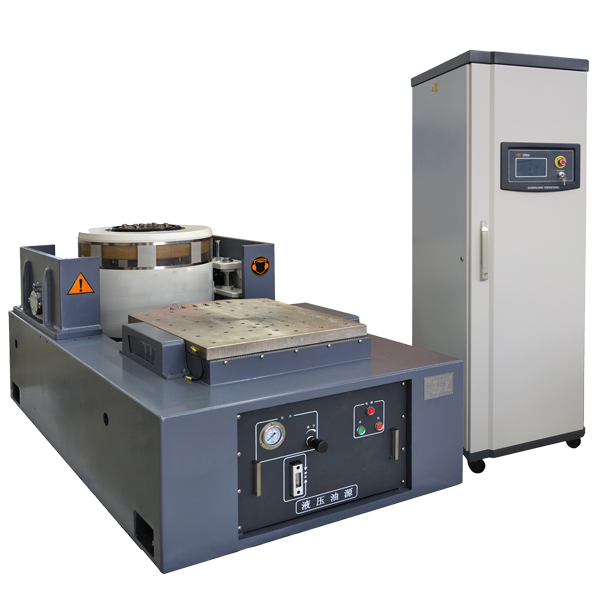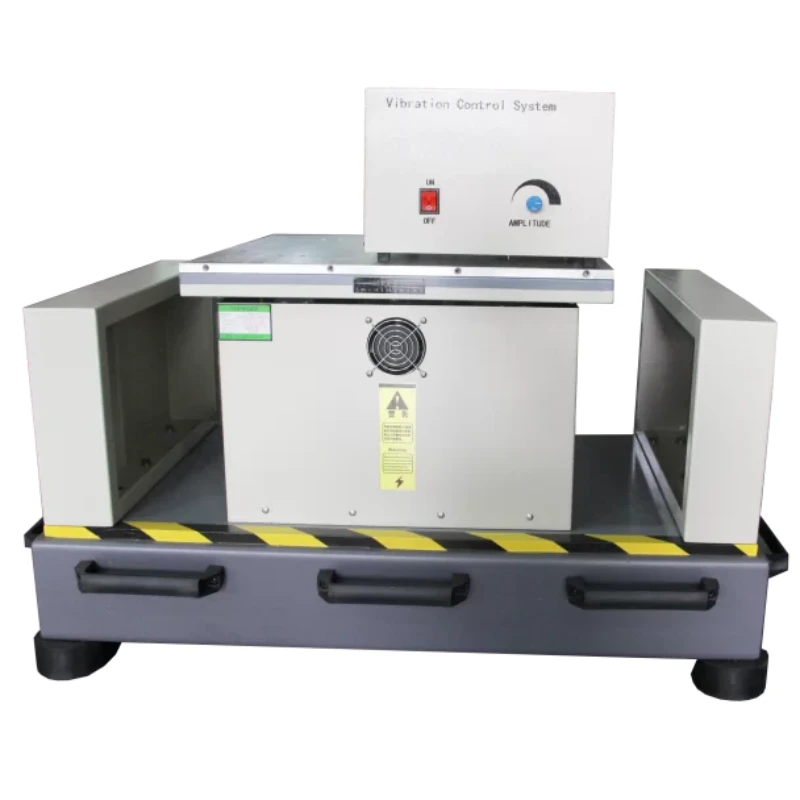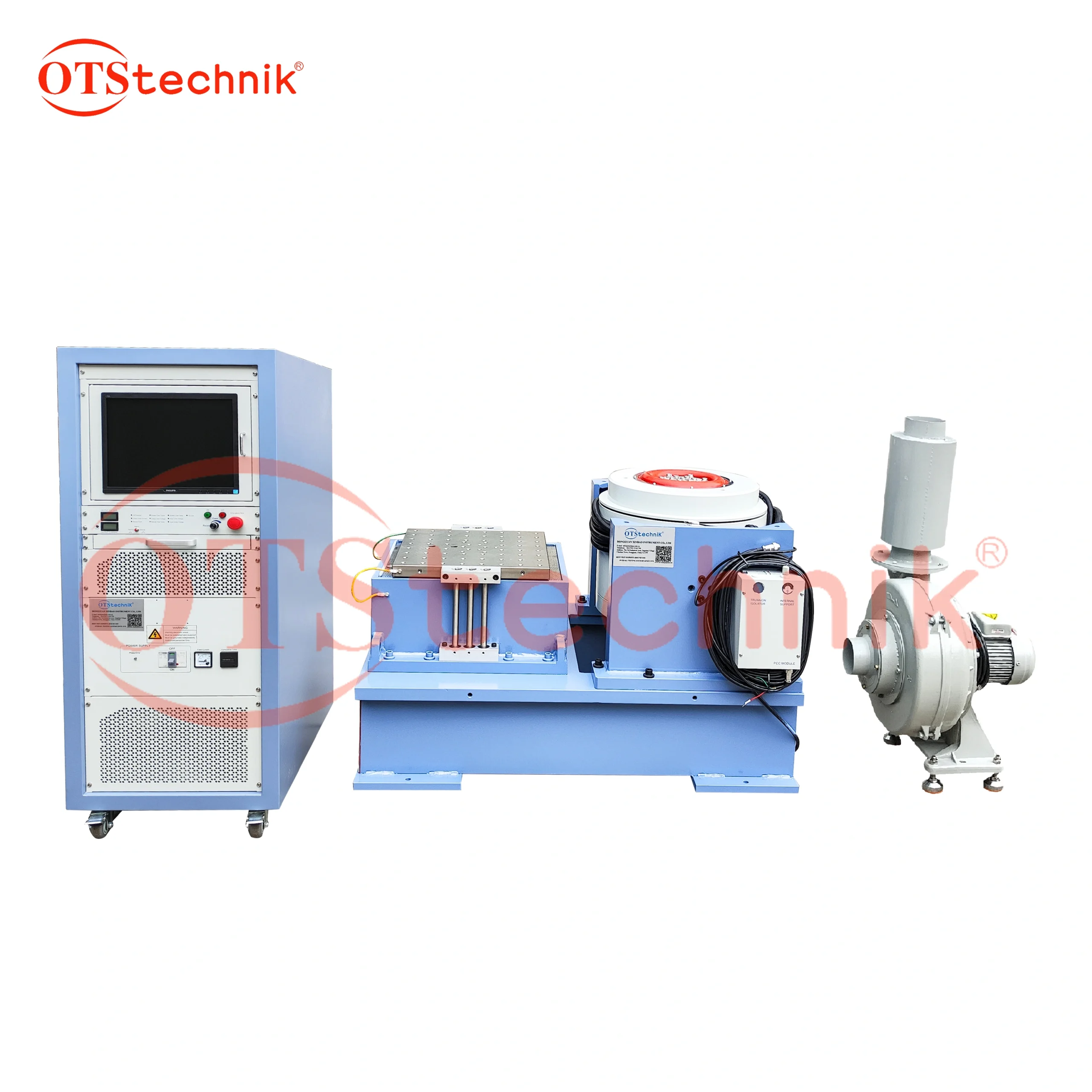


Specification
1. Min. detectable weight of foreign matter: 40mg
2. Foreign material analysis: metal, non-metal and particles
3. Max test sample weight: 30kg
4. Working table size:500×500×43mm LWH
5. Machine size: 1380×900×1900mm LWH
Description of Our Particle Impact Noise Detection
By combining multi-band vibration excitation with acoustic signal analysis technology, the system can non-destructively detect free metal/non-metal particles in the chamber after product packaging and accurately identify the presence of foreign substances ≥40mg.
In the military industry, it can prevent the short-circuit risk of satellite electronic components in the extreme environment of space. In the new energy vehicle industry, it can effectively prevent thermal runaway accidents caused by foreign objects in the packaging of power batteries. In semiconductor manufacturing, it can ensure the nanometer-level cleanliness of the chip packaging cavity. Compared to the 70% missed detection rate of traditional visual inspection, this system has increased the detection accuracy to 99.6% and simultaneously generated a three-dimensional detection report including particle material, movement trajectory, and impact energy, providing data support for process optimization.
Working Principle of Particle Impact Noise Detection
Particle collision noise detection testing is an effective means of inspecting for foreign matter. The basic principle is to use the excitation device to generate a series of specified mechanical vibrations. Through the vibration of a certain frequency, the foreign matter is displaced within the system. The process of displacement of foreign matter in the product is a random combination of sliding and impact processes of foreign matter relative to the product shell.
During this process, stress elastic waves and sound waves are generated. These two types of waves propagate through the product’s shell, forming a reverberation signal, which is defined as a displacement signal. The displacement signal is captured by a particle acoustic sensor, amplified by a preamplifier, and then collected, processed, and displayed by the main unit of the detection device. Based on the displayed signal waveform, the inspection personnel can determine the nature of the signal and draw conclusions from it.
The particle collision noise detection equipment is primarily used for detecting excess particle collision noise in the cavity after product packaging. The purpose is to detect the free particles existing in the device packaging cavity, which is a non-destructive experiment. It is used to test the product and thereby improve its reliability. It is used to detect loose particles of excess material in the packaging of integrated circuits, transistors, and capacitors, as well as in various fields, including aerospace, military, communications, and new energy vehicles.
Application
1. Military and aerospace area
2. Detecting loose screws, fallen welding slag, and other small debris inside highly precision instruments
3. Checking for residual foreign particles in the packaging of 4.Communication devices and other electronic products
5. New energy vehicle sector
6. Foreign particle detection in battery module packaging
7. Part screening of IGBT modules in the electronic control system